






Risk management in India refers to the practices and processes employed by individuals, businesses, and institutions to identify, assess, mitigate, and manage potential risks they may encounter. This includes understanding the likelihood and impact of these risks, developing strategies to address them, and implementing the necessary measures to minimize their negative consequences.
Why is Risk Management Important in India?
India, like any other nation, faces a diverse range of risks, both internal and external. These can include:
Effective risk management is crucial for India's sustained economic growth and development. It can help businesses, organizations, and individuals:
Key Frameworks and Regulations for Risk Management in India:
Several frameworks and regulations guide risk management practices in India:
Current Trends and Challenges in Risk Management in India:

GST: Invoice Management System (IMS)
04-Sep-2024

TDS rates on Sale of property held by NRI, transfer of which took place before & after 23.07.2024 (Amended in Finance Bill 2024)
03-Aug-2024

ITR Filing: 5 Important Steps to do as soon Salaried Employees get Form 16
10-Jun-2024
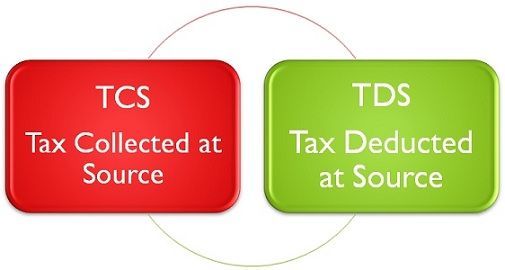
TDS/TCS
20-Apr-2024